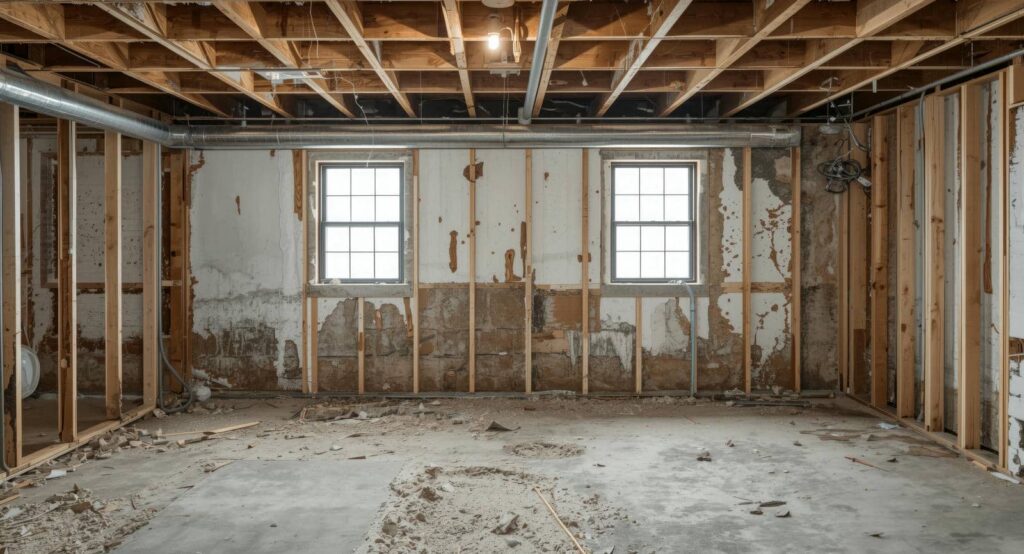
When evaluating water damage, you need to act quickly and methodically. Start by identifying visible signs like stains and odors, then check for leaks around windows and appliances. Use a moisture meter to gauge levels and look for structural issues such as warped surfaces. Each step you take is essential for an accurate evaluation, but knowing how to proceed next can make all the difference in prevention and restoration. What’s your next move?
Key Takeaways
- Inspect for visible water stains, damp smells, and structural issues like peeling paint or warped materials to identify potential damage.
- Utilize a moisture meter to accurately measure moisture levels in walls, floors, and furniture for a comprehensive assessment.
- Check for common sources of water intrusion, including plumbing leaks, drainage issues, and unsealed areas around windows and foundations.
- Conduct a thorough mold risk assessment, focusing on porous materials and ensuring indoor humidity levels remain between 30-60%.
- Document all findings with photos and videos for insurance claims, and notify your insurance company promptly to initiate the recovery process.
How to Identify Water Damage Quickly?
How can you spot water damage before it escalates? Start by checking for water stains on ceilings, walls, and floors. These often appear as yellowish or brown spots, indicating moisture intrusion.
Don’t overlook damp smells; a musty odor is usually a telltale sign of hidden water issues. Pay attention to areas around windows, pipes, and appliances, as these are common entry points for leaks.
If you notice peeling paint or warped materials, that’s another red flag. Use a moisture meter if you want to be thorough—this tool can help you quantify the moisture levels in materials.
Identifying the Source of Water Intrusion
Once you’ve identified signs of water damage, pinpointing the source of the intrusion becomes essential.
Start by investigating various source types. Check for common moisture sources like plumbing leaks and appliance failures, which can often go unnoticed.
Look for drainage issues, especially around your home’s foundation; improper grading can lead to significant problems. Weather events, such as heavy rainfall or snowmelt, can exacerbate these issues, causing water to seep in.
Examine your foundation for cracks or gaps that might allow water intrusion.
Evaluating Affected Areas in Your Home
As you assess the affected areas in your home, it’s crucial to conduct a thorough inspection to determine the extent of the damage.
Start with a furniture inspection; check for signs of warping, discoloration, or any musty odors that indicate moisture retention. Remove cushions and inspect beneath them to assess hidden damage.
Next, perform a carpet assessment. Look for stains, mold, or dampness, and lift corners to check for water beneath. Pay special attention to seams and edges, where damage often starts.
Use a moisture meter to gauge humidity levels in both furniture and carpets, ensuring you identify all affected areas.
This detailed evaluation will help you make informed decisions about repairs and restoration.
How to Spot Structural Issues After Water Damage?
After water damage, check for visible cracks and gaps in walls and foundations, as these can indicate serious structural issues.
You should also examine surfaces for warping or bowing, which can signal compromised integrity.
Addressing these signs early can prevent further damage and costly repairs.
Visible Cracks and Gaps
Visible cracks and gaps in walls and ceilings can signal serious structural issues following water damage. Identifying these signs early can prevent further complications. Pay attention to the following:
Crack Types: Diagonal cracks may indicate shifting foundations, while horizontal cracks often signal pressure build-up.
Gap Locations: Look for gaps around door frames and windows; these can suggest settling or misalignment caused by moisture.
Size and Depth: Measure the size; wider and deeper gaps typically indicate more severe problems.
Regularly inspect your property and address any visible cracks or gaps.
Early detection is vital to maintaining your home’s structural integrity and ensuring safety for you and your family.
Don’t wait—take action to protect your space.
Warped or Bowed Surfaces
Inspecting for warped or bowed surfaces is critical after noticing cracks and gaps. Start by checking your flooring; bowed flooring can indicate underlying water damage.
Walk through each room, using your eyes and feet to detect unevenness or dips. Pay attention to how the floors feel underfoot—any springiness might signal issues.
Next, examine the walls for warped drywall. Look for bulging areas or seams that don’t align. These distortions often mean water has compromised the structural integrity.
Don’t forget windows and doors; if they stick or won’t close properly, it could be a sign of shifting.
How to Assess Mold Risk After Water Exposure?
While evaluating mold risk following water exposure, it’s crucial to take into account both the affected areas and the surrounding environment.
Start by examining the extent of water damage and identifying damp spots that could foster mold growth. Focus on these key factors:
Moisture Levels: Use a moisture meter to check humidity levels; aim for 30-60% indoor humidity control.
Time Elapsed: Mold can start growing within 24-48 hours; act quickly.
Materials Affected: Porous materials like drywall and carpet are more susceptible to mold.
Implement effective mold prevention strategies, such as improving ventilation and using dehumidifiers.
Regularly monitor your space to ensure it remains mold-free and safe for everyone.
Documenting Water Damage for Insurance Claims
To ensure you receive the compensation you deserve, accurately documenting water damage is essential. Start by taking clear photographs of affected areas, showing the extent of the damage. Include wide shots and close-ups, capturing structural damage and personal property.
Make a detailed list of damaged items, including their value and any receipts you may have. This serves as vital insurance documentation during your claim submission. Write down the dates of the damage and any conversations with your insurance agent to maintain a timeline.
Finally, consider obtaining a professional assessment to strengthen your claim. Thorough documentation supports your case and fosters trust with your insurance provider, ensuring you feel confident throughout the process.
What Tools Can Help You Assess Water Damage?
To accurately assess water damage, you’ll want to use specific tools that provide reliable data.
Moisture meters can measure the moisture content in various materials, helping you pinpoint affected areas, while infrared cameras allow you to visualize hidden moisture behind walls and ceilings.
These tools enhance your assessment, ensuring you address all water-related issues effectively.
Moisture Meters Overview
When evaluating water damage, using moisture meters can greatly enhance your evaluation process. These tools help you pinpoint moisture levels in various materials, ensuring you address the issue effectively.
Understanding moisture meter types is vital, as each serves different purposes and environments.
Here are three key types to take into account:
- Pin-type meters: Measure moisture content by inserting pins into materials, offering high moisture meter accuracy.
- Pinless meters: Utilize electromagnetic signals to detect moisture without damaging surfaces, perfect for large areas.
- Hygrometers: Measure humidity levels in the air, helping you assess potential mold growth conditions.
Choosing the right moisture meter type ensures you’re equipped to tackle water damage efficiently and effectively.
Infrared Cameras Benefits
How can infrared cameras transform your water damage assessment process? These advanced tools utilize thermal imaging to detect hidden moisture behind walls, under floors, and in ceilings, which traditional methods might miss.
By visualizing temperature differences, you can quickly identify areas at risk, ensuring you tackle the problem effectively. This helps with accurate assessments and aids in planning efficient remediation strategies, enhancing energy efficiency in the long run.
Furthermore, using infrared cameras allows you to document findings with clear visuals, strengthening your reports and reassuring clients.
When to Call Water Damage Restoration Experts?
Wondering whether it’s time to call water damage restoration experts? It’s essential to recognize when to intervene. Look for these signs of urgency:
Persistent Moisture: If you notice damp spots or water pooling despite your efforts to dry it out, it’s time to act.
Mold Growth: Any visible mold or musty smells indicate serious issues that require professional help.
Structural Damage: If you see warping, cracking, or buckling in walls or floors, don’t wait.
Addressing these issues promptly prevents further damage and ensures the safety of your home.
When you see these signs, reaching out to experts can save you time, money, and stress in the long run.
Preventing Future Water Damage
To prevent future water damage, it’s essential to implement proactive measures throughout your home.
Start by investing in effective waterproofing solutions, particularly in basements and crawl spaces, to create a barrier against moisture intrusion.
Regularly inspect your roof and gutters; clean them to ensure proper water flow and avoid overflow.
Consider drainage improvements around your property, such as installing French drains or channel drains that redirect water away from your foundation.
Seal any cracks in walls or foundations, and make certain your landscaping slopes away from your home to minimize pooling.
Understanding Your Responsibilities After Water Damage
After experiencing water damage, it’s essential to understand your responsibilities to mitigate further issues and secure proper recovery.
As a homeowner, you need to act swiftly and make sure you’re fulfilling your insurance obligations. Here’s what you should do:
Document the Damage: Take clear photos and videos of the affected areas for your insurance claim.
Notify Your Insurer: Report the damage to your insurance company immediately to start the claims process.
Prevent Further Damage: If safe, turn off utilities and remove valuables to minimize loss.
Frequently Asked Questions
How Can I Tell if Water Damage Is Hidden?
To identify hidden water damage, look for hidden signs like mold, discoloration, or a musty smell. Use moisture meters to detect elevated levels in walls and floors, revealing issues that aren’t immediately visible.
What Should I Do Immediately After Discovering Water Damage?
Immediately turn off the water source and electricity to prevent further damage. Contact emergency services if necessary, then reach out to mold prevention specialists. Document the damage for insurance purposes and inform relevant emergency contacts.
How Long Does It Take to Dry Out Water-Damaged Areas?
It typically takes 3 to 7 days to dry out water-damaged areas. Using advanced drying techniques and moisture detection tools, you can expedite the process, ensuring your space feels like home again in no time.
Can I Use My Home Insurance for Water Damage Repairs?
Yes, you can use your home insurance for water damage repairs. Review your policy for coverage details, deductible limits, and any policy exclusions. Follow the claim process carefully to ensure timely assistance and reimbursement.
What Are Common Misconceptions About Water Damage Assessment?
Many water damage myths persist, like assuming visible dampness alone suffices for assessment. Effective assessment techniques involve moisture meters and infrared cameras, ensuring you identify hidden issues and prevent costly repairs down the line.
Summary
Effective water damage assessment is essential to safeguarding your home. By quickly identifying leaks, using the right tools, and documenting your findings, you can minimize damage and costs. Don’t hesitate to call professionals when needed, and remember that regular inspections can prevent future issues. Stay proactive to ensure a safe, dry environment for you and your family.